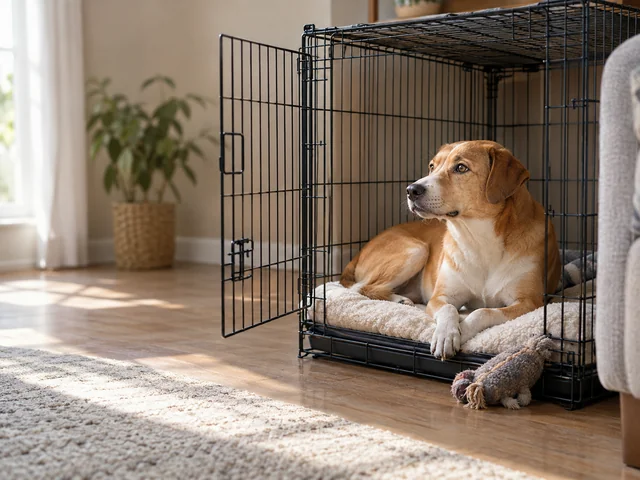
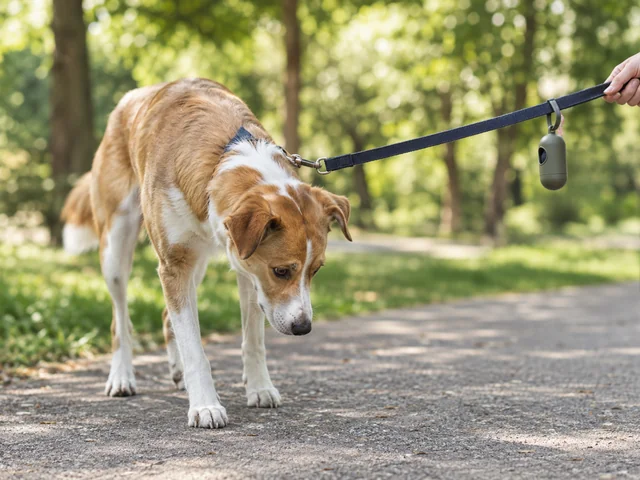
Many dogs try eating poop at some point. The veterinary term is coprophagia. Occasional stool eating is common in puppies and in some healthy adult dogs, especially when the stool is fresh. But new, frequent, or compulsive poop eating—or poop eating with vomiting, diarrhea, weight loss, or low energy—needs a veterinarian’s help before you treat it as a training problem.
Quick Triage: Normal or Worrying?
Coprophagia is common and often underreported because owners feel embarrassed to mention it, according to a veterinary webinar on the habit. It can be behavioral, medical, or a mix of both.
To sort your dog’s situation, ask yourself:
- How often? Occasional sniffing or grabbing is different from seeking stool daily or at every opportunity.
- How old is your dog? Puppies may be exploring. A grown dog with a new habit deserves closer attention.
- Is your dog otherwise well? Normal energy, appetite, and stool make a behavioral cause more likely.
- What does the stool look like? Loose, fatty, bloody, or mucus-coated stool can suggest a gut problem.
- Did you recently change food? A diet change can affect digestion and stool. Note the timing for your vet.
- Can your dog reach other pets’ poop? In multi-pet homes, opportunity and learned behavior can both play a role.
If your dog is healthy and the behavior is occasional, management and training may be enough. If it is new, frequent, or paired with any red flag below, call your veterinarian.
Red Flags: When to Call Your Vet
Call your vet if you see any of these alongside stool eating:
- Repeated vomiting or ongoing diarrhea
- Blood or mucus in the stool
- Weight loss or a bonier look
- Lethargy or acting withdrawn
- A swollen or tense belly
- Increased thirst or urination
- A suddenly ravenous appetite
- Eating non-food items such as dirt, rocks, or fabric
Sudden onset in an adult dog warrants a call rather than a wait-and-see approach. The same is true if your dog takes steroids or an appetite-stimulating medication and suddenly starts seeking stool. Those medications can make dogs feel hungrier, so your vet can help separate a medication side effect from an underlying illness.
Medical Causes to Rule Out
Some cases start with the body, not the behavior. A survey-based comparison of coprophagy treatments notes that medical causes, including intestinal parasites, should be ruled out before owners rely on prevention alone.
Possible medical contributors include:
- Malabsorption: The gut does not absorb enough nutrients, so more usable material may remain in stool.
- Intestinal parasites: Worms or gut parasites can cause loose stool, hunger, or poor nutrient absorption.
- Exocrine pancreatic insufficiency (EPI): A lack of digestive enzymes. A review of diet and canine coprophagy describes EPI as a clinical cause, with signs like weight loss, ravenous appetite, and loose bulky stool.
- Conditions that increase hunger or thirst: Examples include diabetes and Cushing’s syndrome.
- Pancreatitis: Inflammation of the pancreas can disrupt digestion and appetite.
- Appetite-stimulating medications: Drugs such as steroids or certain anti-seizure medications can make a dog feel hungrier.
Dogs may eat stool because they feel hungry or because their body is not using nutrients well. But many medical conditions share similar symptoms, so do not self-diagnose. A vet may use stool tests, blood work, or a diet trial. Do not add human digestive enzymes or supplements without veterinary guidance.
Behavioral Causes Behind the Habit
This is not revenge, guilt, or a sign of bad training. Behavioral causes are common and often manageable.
- Puppy exploration: Young dogs use their mouths to investigate. Poop can simply be a novel object.
- Copying the mother dog: Mother dogs normally eat their puppies’ stool for hygiene in the first weeks after birth, so puppies may be exposed to the behavior early.
- Stress and boredom: A pilot study of risk factors for coprophagic behavior identified hunger and stress-related behavior as notable factors.
- Confinement or under-stimulation: Dogs in small or bare spaces may treat stool as something to do.
- Attention-seeking: If stool eating reliably makes the owner rush over, a dog may repeat it.
- Learned behavior from other dogs: Dogs in multi-dog homes can pick the habit up from a coprophagic housemate. A study of coprophagic behavior and cohabitants found that living with a coprophagic dog was a key influence.
- Anxiety or oral habits: One owner-report study of coprophagy found that dogs with anxiety or oral habits such as pica and plant eating were more likely to eat stool.
Puppy vs. Adult: Same Habit, Different Causes
In puppies, poop eating often tracks with normal development. Puppies explore with their mouths, may chew more while teething, and can copy what they saw from the mother dog. Many outgrow it if they are not allowed to practice the habit.
In adult dogs, sudden onset is different. A grown dog that suddenly starts eating stool may have a medical, dietary, stress, or routine change behind it. That does not mean every adult dog needs a full medical workup, but it does mean a vet check should come before advanced training.
For puppies, focus on safe management and gentle redirection. For adult dogs, call the vet if the habit is new or frequent. Do not apply puppy training advice to an adult dog that may have a medical problem.
How to Stop It Today
The fastest changes are about preventing access. A survey comparing common coprophagy treatments found that the most effective approaches were keeping the dog on a leash, rewarding good post-elimination behavior, and distracting the dog from stool.
Try these immediate steps:
- Walk your dog on a leash. Do not free-roam in areas where unknown dogs leave stool.
- Pick up poop right away. Clean your yard and any litter boxes or pet areas daily.
- Teach a reliable “leave it.” Practice with treats first, then use it when your dog locks onto stool.
- Reward ignoring. When your dog sniffs and then looks away, mark the moment and give a high-value treat.
- Avoid dog parks or unknown-feces areas until the habit improves. Eating other dogs’ stool can increase exposure to intestinal parasites such as Toxocara canis, according to research on coprophagy and parasite risk.
- Use a basket muzzle only if needed. If your dog reaches poop faster than you can intervene, a basket muzzle can prevent eating. Fit it so the dog can pant and drink, and introduce it gradually with treats so it is not scary. Never use it as punishment.
Do not scold after the fact. Your dog cannot connect delayed punishment with the earlier act.
How to Stop It for Good
Long-term success depends on addressing the reason. If a medical cause is found, treat that first. If the cause is behavioral, change the daily environment.
- Start with a vet check. Your vet can review diet, weight, stool, and appetite. This is especially important for adult dogs with a sudden habit.
- Ask before changing the diet. There is no proven single diet switch that stops poop eating in healthy dogs, according to a review of diet and canine coprophagy. If a condition like EPI is present, treatment is specific and vet-directed.
- Feed on a routine. Scheduled meals, with any change approved by your vet, may help reduce hunger-driven stool seeking.
- Use puzzle feeders and food toys. They make meals more mentally stimulating and less boring.
- Add steady exercise and enrichment. Sniff walks, short training sessions, chew toys, and food-stuffed toys can reduce stress and boredom.
- Be cautious with deterrents. Pineapple and commercial coprophagia chews have mixed evidence. Some products may help, but they are not a reliable standalone fix. Ask your vet before spending money on them or giving any supplement.
Preventing access is more consistent than a quick-fix product. Focus on management, reward-based training, and a lower-stress routine.
What Not to Do
Punishment tends to backfire. Dogs do not learn what you want when you yell or rub their nose in stool. They may learn to eat poop faster or hide the behavior.
Avoid these approaches:
- Do not yell at the dog.
- Do not rub the dog’s nose in poop or smear feces on their face.
- Do not punish long after the act. Dogs do not connect delayed punishment with the earlier behavior.
- Do not put hot sauce, cayenne, or other spicy deterrents on stool. These can harm the dog and do not fix the cause.
- Do not use human medications or human supplements on stool without veterinary approval.
- Do not rely on fear or pain. Anxiety can increase the very behavior you are trying to stop.
The best plan is to remove access today, call your vet when red flags appear, and build a routine that reduces hunger, boredom, and stress—without punishment.